

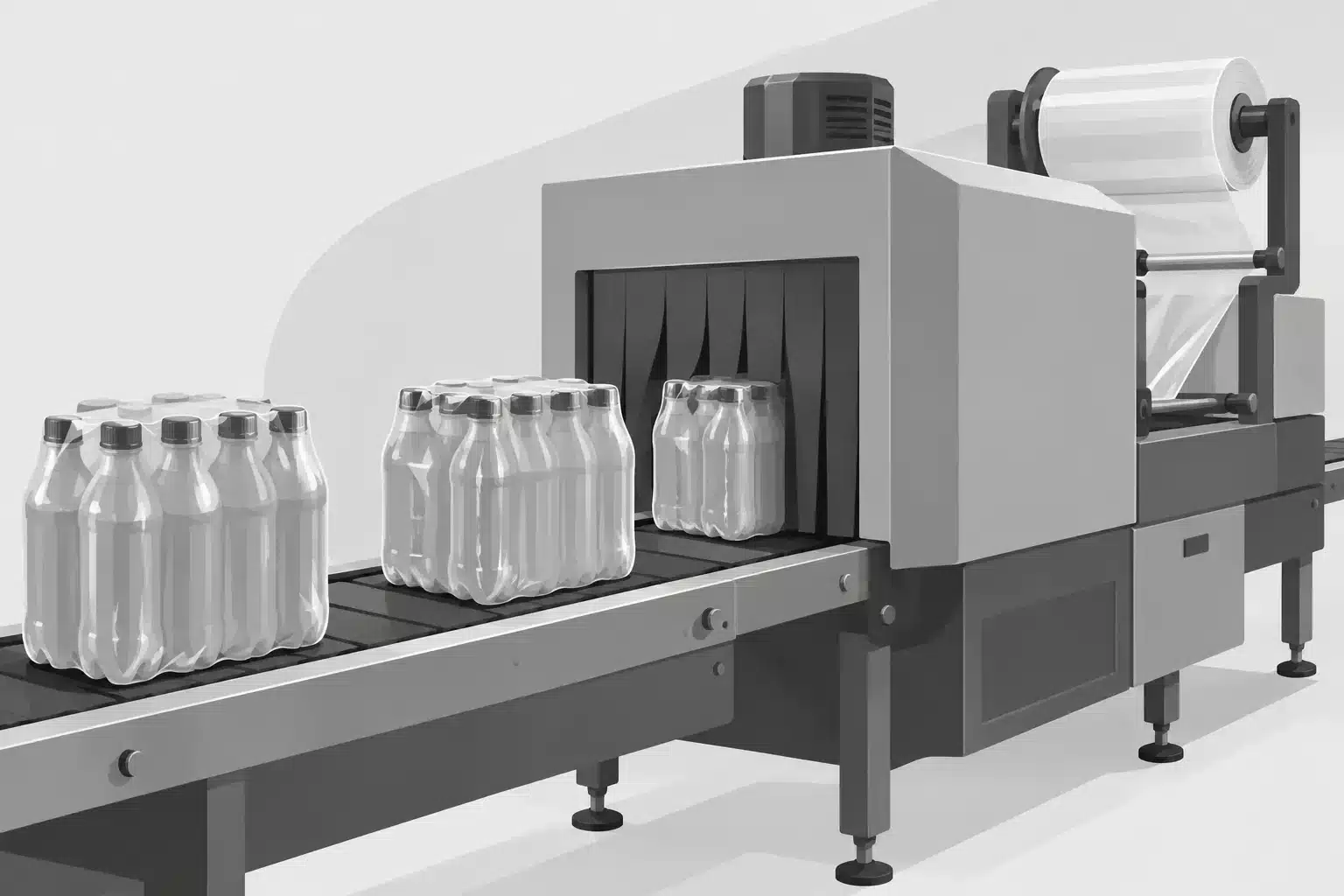
A shrink wrapper is rarely an isolated purchase. It must accept products at the right speed, apply the right film, create a consistent seal, and discharge stable packs to the next operation. A machine that looks capable on paper can still become a production constraint if its infeed, tunnel, controls, or product handling do not match the line.
For plant managers and procurement teams, the goal is straightforward: secure a dependable machine that protects the product, supports required output, and fits the available budget. Used shrink-wrap equipment can do that well, provided the machine type, condition, and integration requirements are evaluated before purchase.
What Shrink Wrappers Need to Do on Your Line
Shrink wrapping applies polymer film around a product or product grouping, then uses heat to tighten the film into a finished pack. Depending on the application, the result may be a retail-ready multipack, a protective overwrap, a bundled shipment, or a tamper-evident package.
The wrapping process itself is only one part of the job. A production machine must also manage product spacing, film tracking, seal quality, temperature control, and transfer into and out of the heat tunnel. For many operations, it must do this continuously across multiple shifts with minimal operator adjustment.
That is why product appearance is not the only selection criterion. A clean, tight package matters, especially in consumer goods and retail applications. But pack stability, maintenance access, repeatable operation, and compatibility with upstream and downstream equipment matter just as much.
Selecting the Right Type of Shrink Wrapper
The right system depends on the product, required speed, film style, and line layout. There is no universal best machine. A wrapper built for high-speed trays of beverage containers is not necessarily suitable for irregular personal-care products, boxed food items, or multipacks requiring retail presentation.
L-Seal and Intermittent-Motion Systems
L-seal wrappers are commonly used for individual products and smaller multipacks. The product enters folded centerfold film, the machine creates cross and side seals, and the package moves through a shrink tunnel. These systems can suit a broad range of product dimensions and are often practical for operations with moderate speeds or frequent product changes.
The trade-off is throughput. An intermittent-motion system may be a sensible fit for a flexible, lower-volume operation, but it may not support the output required by a continuously running cartoner, filler, or tray-loading line. Assess actual operating speed, not only the machine’s published maximum cycles per minute.
Side-Seal Shrink Wrappers
Side-seal machines are designed for longer products or applications where package length varies. Because the side seal is continuous, the machine can process products with a wider length range than a conventional L-sealer. Common applications include bakery products, consumer goods, printed materials, and bundled items.
When reviewing a used side-seal wrapper, confirm the usable sealing width, product height range, conveyor condition, and whether the film handling system suits the films your operation plans to run. Film availability and film gauge are practical considerations, not afterthoughts.
Continuous-Motion Wrappers
Continuous-motion shrink wrappers are used when speed is the priority. Products travel through the machine without the stop-start movement associated with intermittent systems, supporting higher throughput and more consistent product flow. These machines are often paired with automated infeeds, flighted conveyors, collators, and integrated tunnels.
They can be an excellent fit for established high-volume lines, but they require closer attention to integration. Product pitch, infeed timing, accumulation, and discharge elevation must be right. A high-speed wrapper with insufficient product control upstream will not deliver its rated output.
Bundlers and Multipack Systems
Shrink bundlers create film-wrapped packs around multiple units, such as bottles, cans, jars, cartons, or containers. They may run supported packs with trays or pads, or unsupported packs where the film provides the primary bundle containment. Applications are common in beverage, food, household products, and industrial goods.
For bundling applications, define the pack pattern before evaluating machinery. A 3-by-2 bottle pack, a 4-by-3 can pack, and a tray-supported case require different collation and film handling capabilities. Change parts, lane guides, and pack-pattern controls can have a major effect on how practical a machine is for daily production.
Start With the Product and Pack Configuration
A productive equipment search begins with the products, not the equipment listing. Provide product dimensions, weight, orientation, and surface characteristics. Also identify the required pack configuration, film type, desired pack appearance, and any special handling issues such as unstable containers, tapered bottles, or delicate printed cartons.
Product variation matters. A machine dedicated to one container and one bundle size can be configured for efficient, repeatable output. A line expected to run several SKUs, promotional packs, and seasonal formats needs a wider adjustment range and a realistic changeover process. Fast changeover claims should be supported by the actual adjustment points, tooling requirements, and operator steps.
Heat sensitivity deserves attention as well. Some products, labels, adhesives, and container materials do not tolerate standard tunnel temperatures or dwell times. The tunnel must deliver enough heat to achieve a proper shrink without damaging the product or compromising package appearance. Film selection, airflow, conveyor speed, and tunnel configuration work together.
Evaluate Used Shrink-Wrap Equipment Beyond Appearance
Used packaging machinery can offer substantial cost and lead-time advantages, especially when new equipment availability is limited. The value depends on more than a clean frame and recognizable manufacturer name. Buyers need evidence that the system is appropriate for the intended duty.
Begin with the machine’s original application. What product did it run? At what sustained rate? Which film was used? Was the machine part of a complete automated line or operated as a standalone system? These details help identify whether the equipment’s configuration is close to your own requirements or likely to require extensive modification.
The condition of the sealing system is central. Inspect seal bars, knives, belts, rollers, film unwind components, drive assemblies, and tunnel conveyors. Worn sealing surfaces or poor film tracking can create weak seals, excessive scrap, and inconsistent packages. On older machines, determine whether common wear parts and replacement components remain available.
Controls also deserve a practical review. A dependable mechanical platform can still be a sound investment, but obsolete PLC hardware, unsupported drives, damaged operator interfaces, or undocumented electrical modifications can increase commissioning risk. If upgrades are needed, establish their scope before treating a used machine as a low-cost alternative.
A qualified evaluation should also cover guarding, safety circuits, wiring condition, pneumatic components, motors, gearboxes, and machine documentation. Equipment does not need to be new to be dependable. It does need to be honestly represented and assessed for the work it will be asked to perform.
Integration Is Where Many Projects Succeed or Fail
A shrink wrapper must fit the line physically and operationally. Confirm available floor space, machine orientation, product flow direction, conveyor heights, electrical supply, compressed air needs, and ventilation requirements around the heat tunnel. A compact footprint can be useful, but not if it limits access for film loading, routine cleaning, or maintenance.
Upstream and downstream interfaces need equal attention. A wrapper may receive products from a cartoner, case packer, filler, sleeving machine, or manual loading station. It may discharge to a checkweigher, metal detector, case erector, palletizer, or accumulation conveyor. Differences in line speed and product spacing can cause backpressure, gaps, or unstable transfers unless the system is designed as a connected process.
Ask how the machine handles interruptions. Does it stop safely when product backs up? Can the tunnel continue running during a short upstream pause? Is there enough accumulation to prevent frequent stops? These operating details affect film waste, energy use, and maintenance as much as headline speed.
Specify the Machine Clearly Before You Buy
A concise equipment specification helps suppliers identify suitable candidates faster and reduces unsuitable proposals. Include the product and pack dimensions, required output, pack pattern, film type, utilities, available footprint, preferred brands, and any current equipment that the wrapper must interface with.
It also helps to separate requirements from preferences. Required features may include a minimum throughput, a specific discharge height, or a particular safety standard. Preferences may include a preferred manufacturer, touchscreen controls, or a certain age range. This distinction gives sourcing teams room to find viable equipment without compromising the production need.
Established manufacturers such as Texwrap and THS are often sought for their proven presence in industrial packaging environments. Still, model condition, available tooling, controls, and application fit should determine the decision. The right used machine is the one that can be installed, supported, and operated reliably in your facility.
Mectec Packaging Machinery approaches used equipment sourcing with that practical standard: define the application, evaluate available assets, and match the machine to the line rather than forcing the line to work around the machine.
A well-chosen shrink wrapper should become an uneventful part of production. Packs move through, seals hold, operators can manage changeovers, and maintenance teams can keep the system running. That kind of reliability starts with a clear application requirement and a careful equipment evaluation before the machine reaches your floor.