

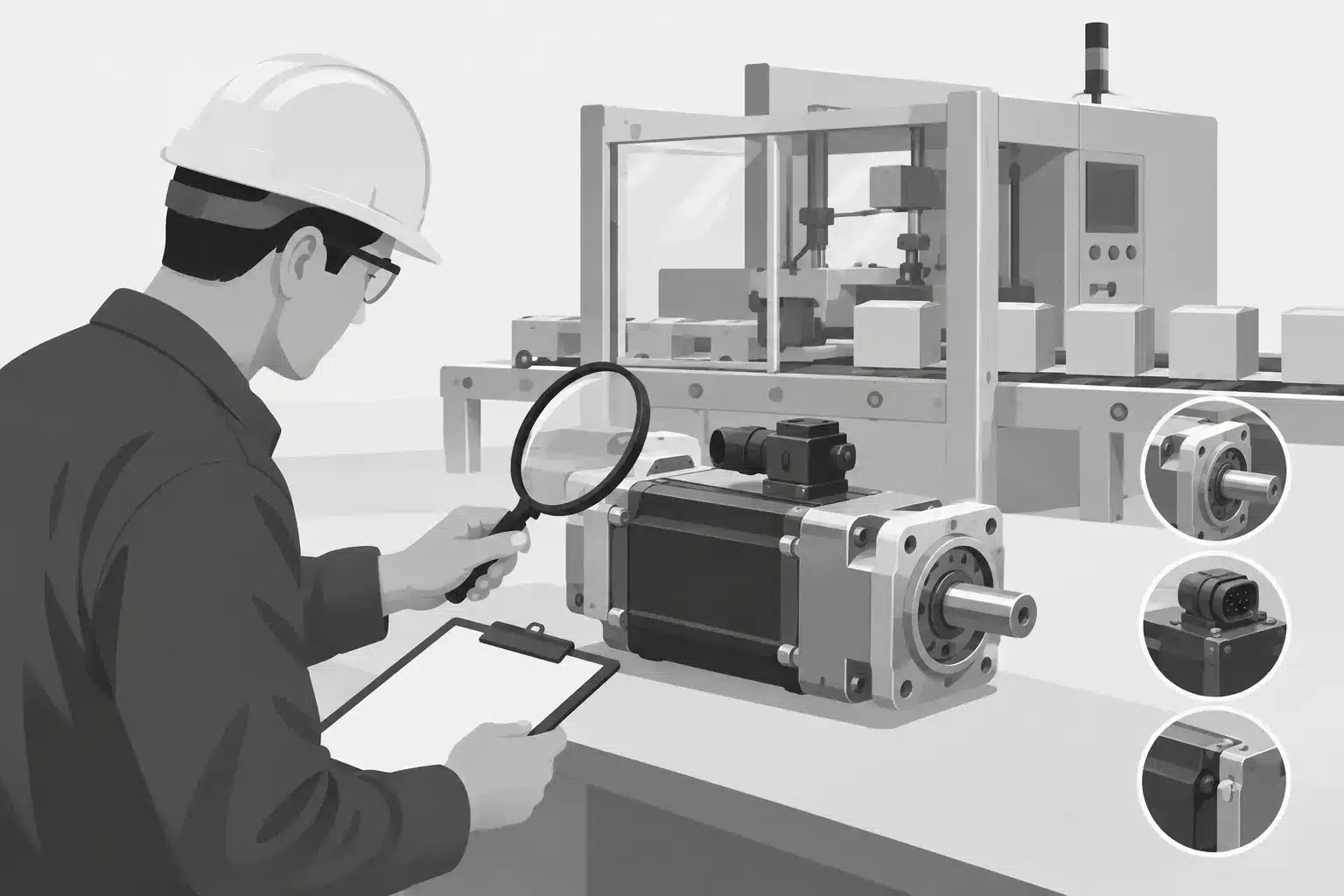
A cartoner can look clean, cycle smoothly for a few minutes, and still carry a costly drive problem. Worn gearboxes, neglected lubrication points, poorly tuned servo axes, and improvised repairs often show up only when the machine is running at production speed. Knowing how to inspect cartoner drives helps buyers separate a workable used machine from one that will consume maintenance time after installation.
For horizontal and vertical cartoners, the drive system controls more than machine motion. It establishes the timing between carton magazine pickup, carton opening, product infeed, loading, flap closing, and discharge. If those motions are unstable, the line will not hold speed or maintain reliable carton quality.
Start With the Cartoner’s Drive Design
Before inspecting condition, establish what is actually driving the machine. Older cartoners commonly use a main mechanical drive with shafts, chains, timing belts, gearboxes, cams, clutches, and overload devices. Newer equipment may use servo motors for one or more functions, while retaining mechanical gear trains for others.
This distinction matters during evaluation. A mechanically driven CAM, ADCO, or Langen cartoner can be durable and straightforward to service when its shafts, cams, bearings, and gearbox are in good condition. A servo-driven cartoner can offer faster changeovers and more control, but it also requires confirmation that the drives, motors, cables, motion controller, and software are supported.
Ask for the machine model, serial number, electrical drawings, operating manuals, and available maintenance records. Confirm the voltage, phase, frequency, and control platform. A cartoner that ran well on one plant’s electrical standard may require changes before it can be commissioned on another line.
Inspect Cartoner Drives With the Machine Locked Out
A thorough inspection starts with the machine safely isolated. Apply lockout/tagout procedures before opening guards or putting hands near any drive train. Do not rely on an emergency stop as an energy-isolation method.
With the machine stopped, inspect the main drive area first. Look for oil leakage at gearboxes, shaft seals, and bearing housings. A light film around an older gearbox may be manageable. Active leakage, low lubricant levels, contaminated oil, or evidence that a leak has reached belts and chains deserves closer attention.
Turn accessible shafts by hand where safe and practical. Rotation should feel consistent. Binding, rough spots, excessive backlash, or a noticeable clunk when reversing direction can indicate worn gears, bearings, couplings, or cam followers. Check keyed hubs, locking assemblies, and couplers for movement, damaged keyways, cracked inserts, or witness marks that suggest components have slipped.
Pay particular attention to the relationship between the main drive and the carton-handling stations. Cartoning depends on repeatable registration. Excessive play at the drive source can appear downstream as late carton opening, poor product insertion, misfolded flaps, or carton jams.
Examine Chains, Belts, and Sprockets
Chains and timing belts are common wear items, but their condition tells you a great deal about maintenance practices. Check chains for rust, dry links, stiff articulation, uneven tension, and excessive elongation. Inspect sprocket teeth for hooking or uneven wear. A new chain installed on worn sprockets will not solve the underlying problem for long.
For timing belts, look for frayed edges, cracked teeth, glazing, oil contamination, and dust buildup. Verify pulley alignment and belt tracking. Belt wear on one edge often points to alignment trouble or a worn bearing rather than a simple replacement need.
Do not judge a drive only by whether it turns. A cartoner may operate at low speed with a worn chain or loose belt, then lose timing under acceleration and load. If possible, inspect the system while running at both slow speed and the intended production rate.
Check Gearboxes, Bearings, and Lubrication
Gearboxes should run without abnormal noise, vibration, or heat. During a controlled run, listen for rumbling, whining that changes with speed, or intermittent knocking. Use temperature readings where available. One gearbox running noticeably hotter than comparable units should be investigated, especially if the machine has been operating long enough to stabilize.
Review lubricant condition if access permits. Dark oil alone does not prove failure, but metallic debris, burnt odor, water contamination, or heavy sludge are clear warning signs. Confirm whether the gearbox uses an oil bath, grease lubrication, or an automatic lubrication system, then verify that the correct lubricant has been used.
Inspect accessible bearings for grease leakage, discoloration, looseness, and noise. Bearings supporting high-cycle carton-opening mechanisms, rotary feeders, and flap-closing sections receive continuous load. A failed bearing can quickly damage a shaft, cam, or expensive formed part.
Verify Servo Drives and Electrical Condition
On servo-equipped cartoners, the mechanical inspection is only half the job. Open the electrical cabinet only with qualified personnel and proper safety controls in place. Look for clean wiring, labeled terminals, intact cable shielding, sound grounding, and cooling fans free of dust buildup.
Review the servo drive status for active and historical faults. Repeated following errors, overcurrent alarms, encoder faults, or communication faults may point to a mechanical bind, failing motor, damaged feedback cable, or controls issue. A cleared alarm history is not necessarily a clean history, so ask what faults occurred and what corrective work was completed.
Inspect motor cables where they flex with moving machine sections. Look for abrasion, unsupported cable runs, crushed conduit, and repairs made with nonstandard connectors. Check servo motors for unusual heat, vibration, or oil contamination around seals.
Software and controls support should be considered before purchase. A reliable servo cartoner is a strong asset when its controller, drives, and programming tools remain serviceable. If components are obsolete, factor replacement planning and downtime risk into the machine’s true cost. It depends on the application: a simple mechanically driven unit may be the more practical choice for a stable carton format, while servo control can justify its complexity for frequent changeovers or demanding timing requirements.
Run the Cartoner Through a Real Cycle
A no-product dry cycle is useful, but it is not enough. The best evaluation uses the actual carton blank, product, leaflet, insert, and closure configuration the cartoner will handle. If that is not possible, use materials as close to production as possible and document the difference.
Observe the machine from carton pickup through discharge. The motion should be repeatable, not merely fast. Watch for carton magazine hesitation, inconsistent opening, product pushing, scuffing, flap interference, or jams that occur at the same point in the cycle. Repeated faults often trace back to timing, cam wear, drive backlash, or a worn component in a linked mechanism.
Increase speed in stages. A machine that produces acceptable cartons at 30 cartons per minute may not hold registration at 100. Listen for changes in sound as speed rises. Watch whether drive guards vibrate, chains flutter, belts wander, or servo axes hunt during rapid motion.
Measure the result, not just the movement. Inspect finished cartons for square formation, secure closure, correct product placement, readable code position, and minimal cosmetic damage. Drive condition should be judged by the machine’s ability to produce consistently acceptable packages at the speed you need.
Separate Service Items From Purchase Risks
Used cartoners will often need normal service work. Belts, chains, bearings, lubricants, and some sensors are expected maintenance items. Those costs can be planned and are not automatic reasons to reject a machine.
The greater concern is a combination of issues: damaged gearbox internals, unavailable servo hardware, missing electrical documentation, repeated unexplained faults, heavily worn cams, altered safety circuits, or no evidence that the machine can run the required format. Those conditions can turn an attractive purchase price into a lengthy rebuild.
Build an inspection record that identifies each finding, its likely cause, its effect on production, and the expected corrective action. Include photos, operating observations, part availability, and any recommended tests. This record gives maintenance, operations, and procurement teams a common basis for deciding whether the machine fits the project.
For buyers sourcing a used cartoner across Canada or the United States, a documented evaluation is particularly valuable when travel time and installation planning are part of the purchase. Mectec Packaging Machinery focuses on equipment that can be evaluated against real production requirements rather than treated as unverified surplus.
A good cartoner drive inspection does not require every component to be new. It requires a clear view of what is worn, what can be serviced, what must be replaced, and whether the machine can deliver stable cartons at the required rate. That clarity is what protects uptime before the machine reaches your floor.