

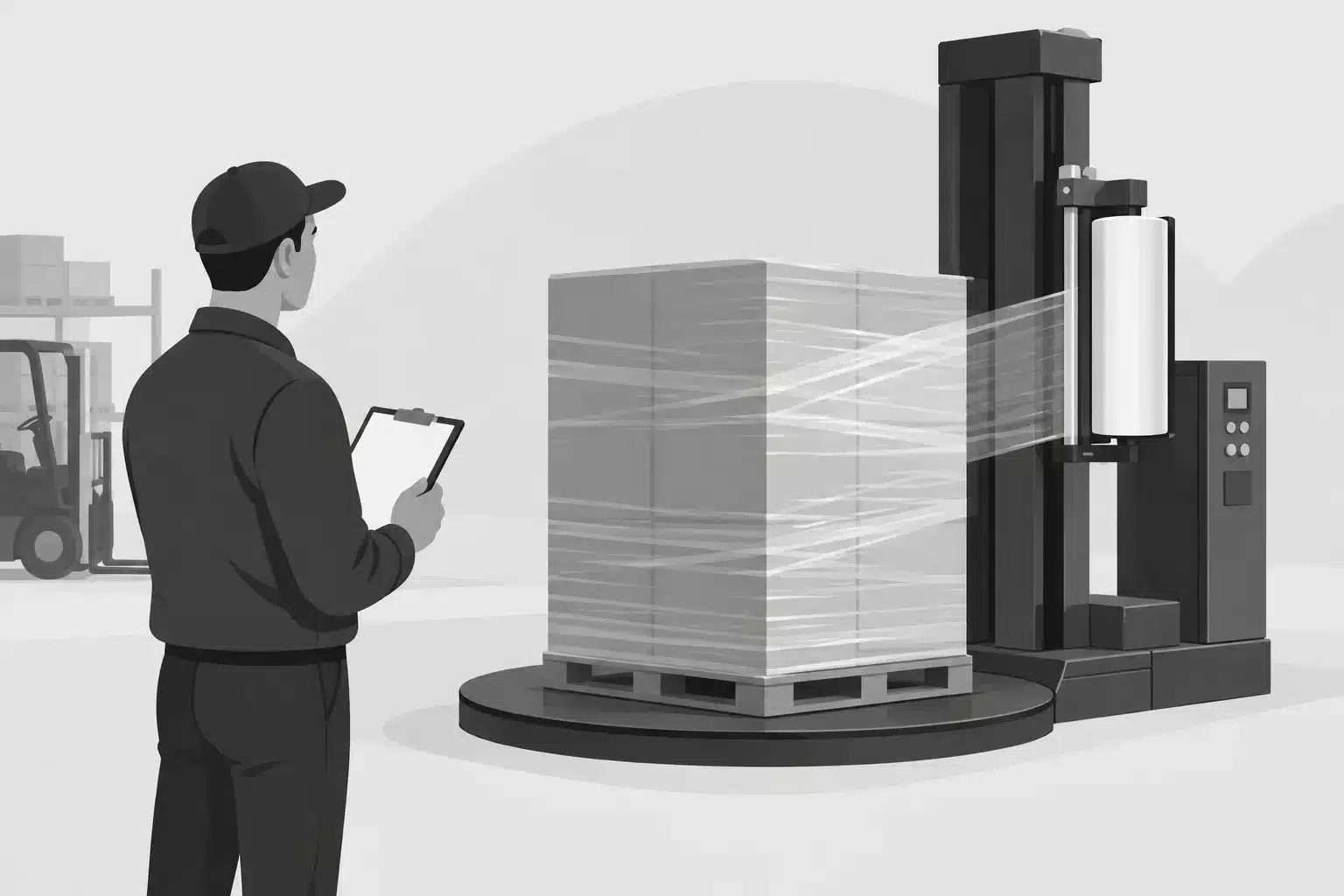
A Texwrap wrapper review should begin at the line, not with the nameplate. Texwrap shrink-wrap systems have a strong reputation in high-volume packaging environments, but a used machine is only a good purchase when its configuration, condition, and control package fit the work in front of it. A wrapper built for multipacks of cartons may not be the right answer for irregular products, tall bottles, or a line that requires frequent changeovers.
For plant managers and procurement teams, the value proposition is straightforward: a properly evaluated used Texwrap system can provide dependable shrink-wrapping capacity at a lower capital cost than new equipment. The risk is equally straightforward. Film handling, sealing performance, conveyor timing, safety circuits, and integration details must be verified before the machine is committed to a production schedule.
What Texwrap Wrappers Are Built to Do
Texwrap equipment is commonly used for shrink bundling and retail-ready packaging applications. Depending on the machine and configuration, it can handle trays, unsupported product bundles, cartons, bottles, cans, and other consumer or industrial products moving through a continuous packaging line.
The typical system includes an infeed and spacing section, film handling components, a seal area, discharge conveyor, and shrink tunnel. Some installations also include product collators, lane dividers, unsupported-bundle controls, print registration capability, or upstream and downstream conveyor sections. That matters when reviewing used equipment. The wrapper itself may be in sound condition, while the surrounding components needed for the intended application are missing.
Texwrap is generally a practical fit where throughput matters and the package must leave the line protected, contained, and presentable. It is not automatically the right choice for every shrink application. Lower-volume operations or facilities with a wide mix of short runs may place more value on simple changeover and operator access than on maximum continuous output.
Texwrap Wrapper Review: Where the Value Is
The strongest case for a used Texwrap wrapper is usually a stable product family with defined packaging formats. If a plant runs the same bottle pack, carton bundle, tray pack, or promotional configuration for extended periods, a properly matched wrapper can support consistent output with limited intervention.
The brand also has a long presence in packaging operations, which can make it easier to find personnel familiar with the machine style, common wear areas, and expected operating sequence. That does not eliminate the need for an inspection. It does mean buyers are evaluating an established packaging platform rather than an unproven surplus machine with limited support history.
Used equipment economics are another advantage. A new shrink-wrap system can involve long lead times, engineering costs, installation planning, and a substantial capital outlay. A used Texwrap system may shorten procurement time if it is available in a suitable configuration and has been evaluated for mechanical and electrical condition.
The qualification is critical: lower purchase cost is not the same as lower total cost. A machine that needs a controls retrofit, replacement tunnel components, extensive conveyor work, or unavailable change parts can quickly lose its price advantage.
Output Depends on the Complete System
Published machine speeds can be useful reference points, but they should not be treated as production guarantees. Actual output depends on product stability, product spacing, pack pattern, film gauge, seal dwell, tunnel recovery, infeed consistency, and the speed of upstream and downstream equipment.
A wrapper capable of running quickly in a previous application may be limited by the current line’s case packer, filler, labeler, or accumulation capacity. In some cases, the shrink wrapper is not the bottleneck at all. In others, a poorly matched infeed can cause product collisions, skewed packs, film breaks, and frequent stops.
Ask for the conditions under which the machine previously ran. Product dimensions, package orientation, line speed, film type, and pack configuration provide more useful information than a single maximum-speed figure.
What to Inspect Before Buying a Used Texwrap System
A meaningful review starts with the product and ends with the utilities. Buyers should provide product samples, pack drawings, desired production rates, available floor space, and details on existing conveyor elevations. Those facts determine whether the machine can be fitted into the line without creating unnecessary engineering work.
Film Path, Sealer, and Tunnel Condition
Film handling is central to wrapper performance. Inspect the unwind assembly, dancer or tension components, rollers, guides, cutting devices, and seal area for wear, damage, and signs of improvised repair. Film tracking problems may look minor during a brief demonstration but become costly when the machine runs multiple shifts.
The sealing section deserves close attention. Verify seal quality on the intended film where possible, and check the condition of sealing bars, coated surfaces, heaters, temperature controls, wiring, and pneumatic components. A weak or inconsistent seal can create rework, package failures, and wasted film.
The shrink tunnel should be examined for heater operation, air circulation, belt or rod conveyor condition, insulation condition, and temperature stability. Tunnel performance affects package appearance as well as pack integrity. A tunnel that heats unevenly can produce loose film, distorted packs, scorched edges, or inconsistent shrink results.
Controls and Electrical Documentation
Controls can be the deciding factor on older equipment. Confirm the controller type, HMI condition, drive package, electrical voltage, and availability of schematics. A machine with outdated or unsupported components may still be a good purchase, but the buyer should price the retrofit before approving the project.
Also verify safety circuits, guarding, emergency stops, interlocks, and access doors. Used packaging machinery should be assessed against the facility’s safety requirements before it arrives on site. Correcting deficiencies after installation can delay startup and add unplanned costs.
Change Parts and Product Fit
Change parts are often overlooked because they are physically small compared with the wrapper. They are not a small issue. Guides, rails, flights, pushers, forming components, and product-handling tooling may be specific to the previous package.
If the machine will run a different product size or pack pattern, determine whether the existing parts can be adjusted, modified, or replaced. Request a clear inventory of included change parts rather than assuming they are present. For operations with several SKUs, changeover time should be evaluated as carefully as maximum speed.
Mechanical Wear and Maintenance Access
Check chains, sprockets, bearings, belts, gearboxes, shafts, pneumatic valves, cylinders, and conveyor components. Look for excessive play, oil leaks, nonstandard repairs, corrosion, and worn guarding hardware. A clean exterior is not proof of a well-maintained machine.
Maintenance access also affects the long-term decision. A system that fits tightly into a floor plan may be difficult to service if film rolls, seal components, or tunnel sections cannot be accessed safely. The best used-machine purchase supports both production and maintenance work.
Integration Is Often the Real Project
A shrink wrapper rarely operates alone. It must accept product reliably from the upstream process and discharge a stable package to the next operation. Before purchasing, confirm conveyor direction, working height, product orientation, transfer points, available accumulation, and line-control communication requirements.
Utilities must be checked as well. Electrical supply, compressed air, exhaust or ventilation considerations, and floor loading can all affect installation scope. If the machine is relocating across borders or into a different plant standard, documentation and electrical requirements deserve early attention.
Mectec Packaging Machinery evaluates used packaging equipment with these practical details in mind. A request-based sourcing process is especially useful when buyers need a Texwrap configuration that matches a defined product, rate, and available footprint rather than simply purchasing the first machine that appears available.
When a Used Texwrap Wrapper Makes Sense
A used Texwrap wrapper is a strong candidate when the application is established, the product range is known, and the buyer can validate the machine against real operating requirements. It is particularly compelling for plants replacing an aging wrapper, expanding a proven product line, or adding capacity without waiting for a new-build project.
It is less attractive when the intended package is still changing, the operation requires unusually frequent format changes, or the available machine lacks the controls and tooling needed for integration. In those cases, the purchase may still work, but the budget should include engineering, retrofit work, and commissioning time.
The right question is not whether Texwrap is a respected wrapper brand. It is whether the specific machine can produce your package, at your required rate, with a realistic path to installation and support. Verify that before purchase, and a used shrink-wrapper system can become a productive part of the line rather than the next source of downtime.