

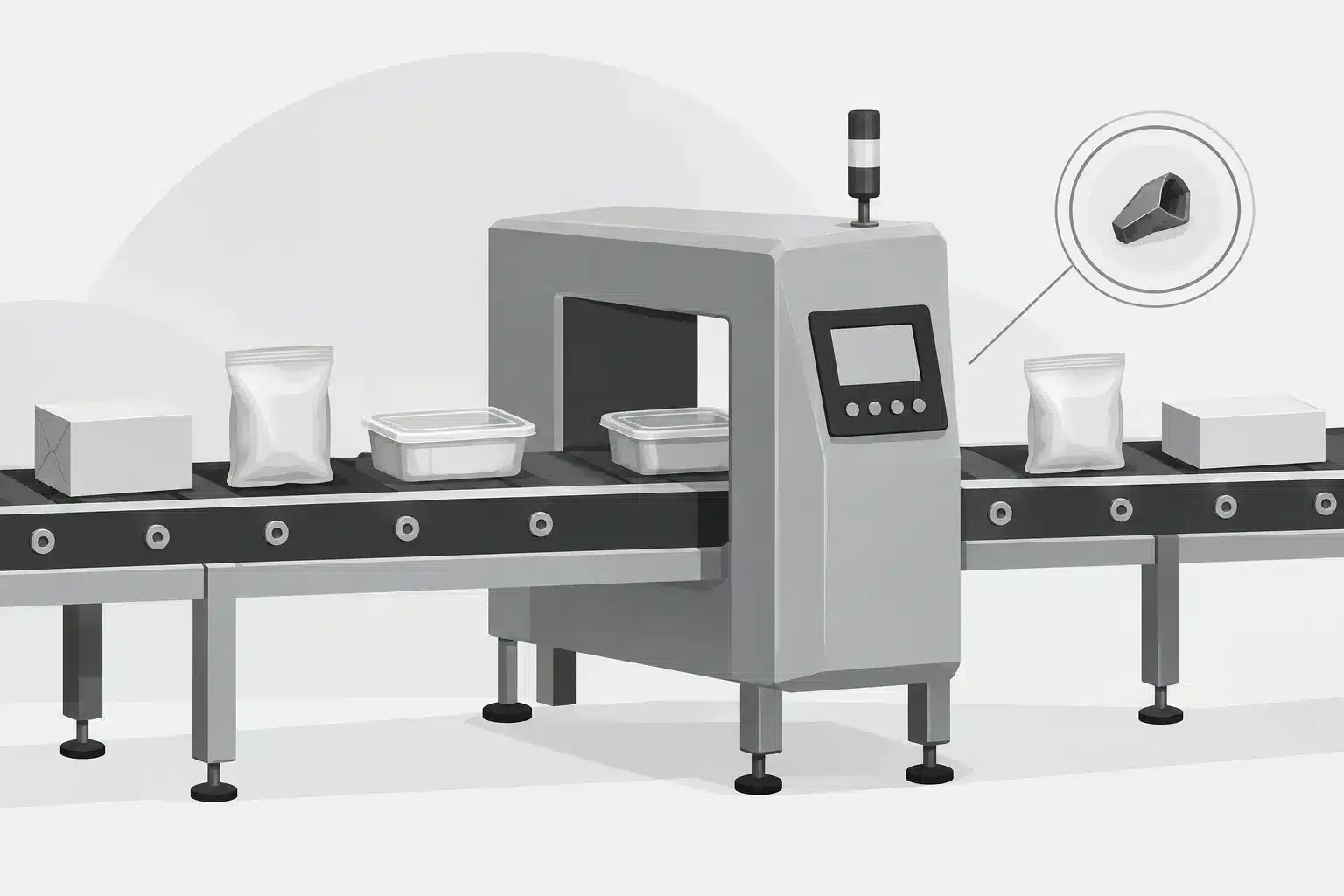
A metal detector is not a stand-alone quality check added at the end of a line. In the right position, it protects product quality, supports customer requirements, and prevents one avoidable contamination event from becoming a costly recall. The top metal detector applications in packaging are defined by product type, package format, line speed, and the level of sensitivity the operation can realistically achieve.
For plant managers and procurement teams, the question is rarely whether metal detection is needed. The real question is where it belongs in the process and what machine configuration will perform reliably with the product being inspected. A detector that is well suited to dry snack bags may be the wrong choice for conductive fresh product, foil packaging, or a bulk ingredient stream.
Where Top Metal Detector Applications Add Value
Metal detectors identify ferrous, non-ferrous, and stainless steel contaminants. They are used across processing and packaging lines wherever wear, breakage, maintenance activity, or incoming materials can introduce metal into the product stream. Their value is highest when detection is paired with a dependable reject method and a documented response procedure.
The most common installations are conveyorized systems for packaged goods, throat detectors on vertical form-fill-seal equipment, gravity-feed units for free-flowing products, and pipeline systems for pumped products. Each serves a different production condition. Selecting by detector aperture alone can lead to false rejects, missed contaminants, or line bottlenecks.
Finished packaged food inspection
Finished-product inspection is one of the most familiar metal detector applications. Packaged foods such as snack bags, bakery products, frozen items, protein packs, confectionery, and prepared meals pass through a conveyor detector before case packing or palletizing.
This location provides a final inspection point after filling, sealing, and other upstream operations. It can catch contamination originating from worn cutting blades, broken screens, fasteners, mixer components, or maintenance tools. It also confirms that an individual retail package has passed inspection before it reaches the customer.
The trade-off is sensitivity. Larger packages require a larger aperture, and larger apertures generally reduce the machine’s ability to find very small contaminants. Product effect can also interfere with detection. High-moisture, high-salt, or warm products can produce a signal similar to metal, requiring careful setup and validation.
For bagged or tray-packed food, a conveyorized detector with an automatic reject device is typically the practical choice. Pneumatic pushers, air blasts, retracting belts, and diverters each fit different package weights and speeds. The reject system matters as much as the detector head. A rejected package must be removed consistently, verified, and kept from re-entering the production flow.
Bulk powders, granules, and free-flowing ingredients
Gravity-feed metal detectors are designed for products moving vertically through a process. They are common in applications involving flour, sugar, spices, coffee, grains, nuts, pet food, powders, and plastic pellets. Installed above a bagger, filler, or other downstream machine, they inspect product before final packaging.
This arrangement can be highly effective because the product passes through a smaller detection area than it would on a wide conveyor. Smaller apertures support better sensitivity. A suitable reject valve diverts the contaminated portion of product without stopping the entire process.
However, product flow must be stable. Bridging, dust buildup, inconsistent feed rates, and poor valve timing can compromise rejection accuracy. Facilities handling allergens or multiple formulations must also consider cleanability and changeover requirements. Stainless construction and access for sanitation are operational requirements, not cosmetic preferences.
Pipeline inspection for pumped products
Pipeline metal detectors inspect liquids, slurries, pastes, and other pumped products. Typical uses include sauces, soups, dairy products, dressings, meat emulsions, fruit preparations, and personal-care products such as creams and gels. The detector is integrated around a non-metallic section of pipe, while a reject valve diverts contaminated product.
A pipeline system is often the right choice when product is enclosed from processing through filling. It provides inspection before the product reaches the filler, protecting downstream valves, pumps, and filling equipment as well as finished-product quality.
System design needs close attention. Pipe diameter, product temperature, viscosity, pressure, flow rate, and cleaning procedures affect the configuration. A detector that performs well at one flow rate may require revalidation when production is increased. For sanitary operations, the system must also fit the facility’s clean-in-place process and material standards.
Pharmaceutical and nutraceutical products
Pharmaceutical, vitamin, and nutraceutical manufacturers use metal detection for tablets, capsules, powders, sachets, and finished bottles or cartons. The application often sits after tablet compression, capsule filling, or primary packaging, depending on the process and inspection plan.
Sensitivity requirements can be demanding because product sizes are small and quality systems are tightly controlled. A compact detector may inspect tablets or capsules as they move down a chute, while a conveyor system may examine bottles, blisters, pouches, or folding cartons after packaging.
Foil blister packs present a limitation for standard metal detection because the package itself contains metal. In those cases, x-ray inspection may be more appropriate for certain contamination risks. Metal detection is still valuable elsewhere in the process, but the equipment must match the package material rather than be forced into an unsuitable application.
Personal care and consumer products
Metal detectors are also used on packaging lines for soaps, cosmetics, household products, and consumer goods. A detector may inspect wrapped bars, bottles, jars, pouches, cartons, or sealed refill packs before they enter a case packer.
These lines frequently run multiple product formats. That makes recipe management, conveyor height, guide rail adjustment, reject confirmation, and changeover access important factors. A used detector can be an efficient acquisition when its aperture, conveyor dimensions, and controls are compatible with the required formats. It becomes an expensive workaround when a line needs major modifications just to pass existing packages through the opening.
Industrial products and plastics
Industrial packaging operations use metal detection to protect both products and downstream equipment. Plastic regrind, resin pellets, rubber compounds, powders, and bulk chemical materials can carry metal fragments from processing equipment, transport systems, or incoming supply.
For these applications, the detector may be placed before extrusion, molding, filling, or bagging. Finding contamination early can protect expensive dies, screws, pumps, and other process components. The goal is not always consumer safety. It may be preventing equipment damage, rejected batches, and unplanned downtime.
Position the Detector Around the Actual Risk
The best inspection point is not automatically the last point on the line. It is the point that controls the relevant risk while fitting production realities. A detector before a filler can protect filling equipment, but it does not detect metal introduced during sealing or cartoning. A detector after final packaging catches more of the process, but may have lower sensitivity because the package is larger.
Many lines use more than one control point. A bulk ingredient operation may inspect incoming material and inspect the finished pack. A high-risk food line may combine magnets, sieves, metal detection, and preventive maintenance controls. These systems serve different purposes. A magnet captures certain ferrous contaminants. A metal detector identifies metal in the product stream. Neither replaces sound equipment maintenance or foreign-material control procedures.
Placement should also account for line control. If the detector rejects a product, the line must confirm the event, segregate the reject, and respond when reject verification fails. A detector with a weak or mismatched reject mechanism creates a gap in the inspection plan.
What to Check When Buying a Used Metal Detector
Used packaging equipment can reduce capital cost and shorten procurement timelines, but metal detectors should be evaluated against the exact application. Brand reputation matters, yet configuration and condition matter more than a nameplate alone.
Start with the product and package. Confirm maximum product dimensions, required throughput, package orientation, product effect, and the smallest practical test-piece sensitivity. Then review the aperture size, belt width, conveyor height, reject type, reject bin arrangement, controls, and available line integration.
For food, pharmaceutical, and personal-care operations, inspect the condition of product-contact and sanitary surfaces. Ask whether the unit has appropriate reject confirmation, fault handling, access controls, and documented test capability. Older equipment may still be dependable, but obsolete controls, missing guarding, unavailable parts, or incompatible electrical specifications can change the total cost quickly.
A practical sourcing review should also consider the equipment around the detector. A conveyor detector needs enough infeed and discharge space for stable product transfer. It must match the elevation and speed of upstream and downstream machinery. If it is being added before a checkweigher, case erector, cartoner, or shrink wrapper, controls and product handling must work as one system.
Mectec Packaging Machinery helps buyers evaluate used metal detection and related end-of-line equipment against real production requirements, not just listed dimensions. That reduces the risk of bringing in a machine that cannot meet the line’s format, speed, or inspection needs.
The right metal detector is the one that detects the relevant contaminant, rejects it reliably, and fits the way your line actually runs. Define the risk first. Then source the equipment around that requirement.