

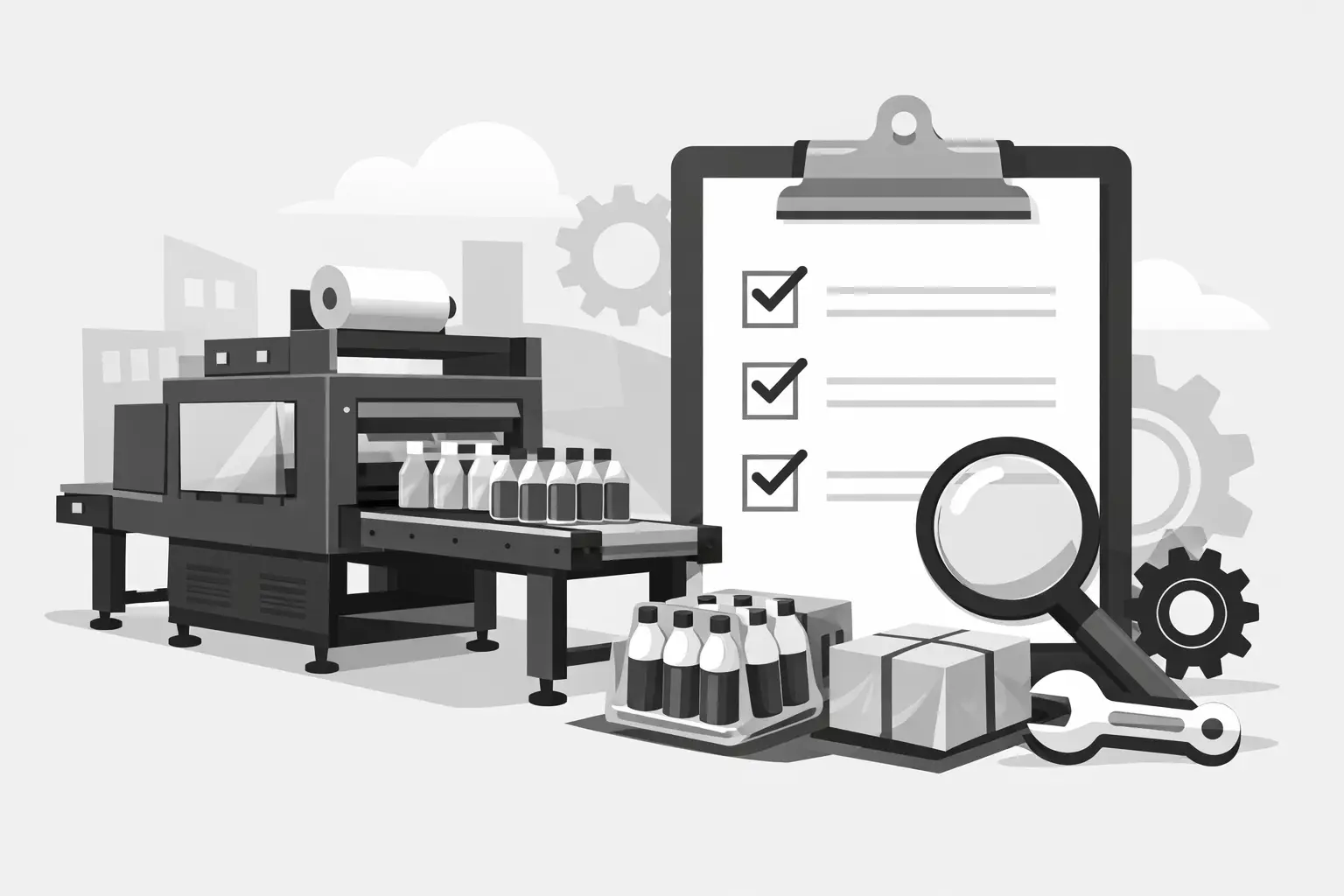
A used sleeve wrapping machine can add dependable multipack capacity without the capital expense and lead time of new equipment. But sleeve wrappers are not interchangeable. A machine that ran canned goods at high speed may be a poor fit for unstable cartons, taller bottles, or a line with frequent format changes. The purchase decision starts with the product and pack configuration, not the machine’s asking price.
For plant managers and procurement teams, the objective is straightforward: acquire proven equipment that fits the existing line, runs the required film, and can be supported after installation. The best used purchase is not simply a lower-cost machine. It is a machine with a clear operating history, suitable controls, available change parts, and a practical path to startup.
Confirm What “Sleeve Wrapping” Means on Your Line
The term sleeve wrapping is used broadly across packaging operations. In most end-of-line applications, it refers to a machine that creates a film sleeve around a product group, tray, pad, or multipack before the pack passes through a shrink tunnel. The result is a tight, stable bundle suitable for distribution and retail presentation.
That application differs from shrink sleeve labeling, where a printed sleeve is applied around an individual container for decoration or product information. It also differs from standard L-bar shrink wrapping, which seals individual products or smaller bundles. Clarifying the process avoids a common sourcing mistake: evaluating a capable machine designed for the wrong packaging function.
A sleeve wrapper may be used for beverage packs, canned goods, jars, bottles, cartons, personal-care products, pouches, and industrial products. Some systems run tray-supported multipacks. Others wrap unsupported bundles. That distinction affects the infeed design, product collation method, film handling, tunnel requirements, and overall line speed.
Start With the Pack, Not the Machine
A reliable used sleeve wrapping machine must match the dimensions and behavior of the pack moving through it. Provide complete pack details before evaluating equipment: product length, width, height, weight, orientation, pack pattern, tray or pad dimensions, and required output per minute.
Product stability deserves close attention. Rigid, consistent packs such as cans often run differently from lightweight bottles or variable-height cartons. Unsupported bottle bundles may require lane control, accumulation, or a specific infeed arrangement to maintain pack integrity before film application. If the product arrives inconsistently spaced, a wrapper alone will not correct upstream problems.
Film specification is equally important. Confirm the film type, gauge range, roll dimensions, and required print registration if applicable. Polyolefin, polyethylene, and other shrink films behave differently under tension and heat. A machine configured for one film range may need adjustment, replacement components, or validation before it can run another.
Speed should be evaluated as a line condition, not a catalog number. A machine rated for 25 or 30 bundles per minute may reach that rate only with a particular pack size, film, and infeed configuration. Ask for the speed achieved on a comparable application. Then leave room for normal operational variation, changeovers, and upstream interruptions.
Evaluate the Complete Sleeve Wrapping System
A sleeve wrapper is often one part of a larger system. The machine itself may be mechanically sound but still require supporting equipment to operate on your line. Determine what is included and what must be sourced separately.
Key system elements can include the infeed conveyor, product collator, film unwind, sealing section, discharge conveyor, shrink tunnel, tunnel cooling section, and controls interface. For tray-and-film applications, a tray former or tray loader may also be part of the process. If the equipment is being installed into an existing line, conveyor elevation, transfer points, product flow direction, and available floor space matter as much as machine footprint.
The shrink tunnel requires particular scrutiny. Tunnel opening dimensions must accommodate the largest finished pack with enough clearance for steady travel. Heat zones, airflow, conveyor type, electrical load, and ventilation requirements should suit the film and pack. An undersized or poorly matched tunnel can produce weak shrink, distorted packs, open seals, or excessive energy use.
Ask whether the controls are integrated or separate. Older systems may use relay logic or controls platforms that are harder to troubleshoot and support. This does not automatically make them unsuitable. Many older machines remain dependable when properly maintained. However, a plant with standardized PLC platforms may prefer equipment with familiar components, current safety circuits, and accessible electrical documentation.
Inspect Condition Where It Counts
Used packaging machinery should be evaluated beyond appearance. Clean paint and a powered-up screen do not confirm production readiness. The inspection should focus on the components that affect seal quality, film tracking, consistent motion, and maintainability.
Review the condition of the sealing jaws, knife assemblies, film rollers, belts, chains, bearings, sensors, drives, and pneumatic components. Check for excessive wear, improvised modifications, missing guards, damaged wiring, or obsolete components. On machines with servo drives, verify the drive condition and whether the motors, cables, and motion controls are matched and functional.
A demonstration is more valuable than an idle inspection. When possible, see the equipment cycle through its sequence. Watch film feed and tracking, product transfer, sleeve formation, sealing, discharge, and tunnel travel. A dry cycle confirms basic movement. A film and product test tells a more useful story.
Request available records, including manuals, electrical drawings, spare-parts lists, maintenance history, and prior operating parameters. Documentation reduces commissioning time and helps maintenance teams identify replacement parts. Missing documentation is manageable in some cases, but it should be reflected in the project scope and budget.
Factor in Change Parts and Format Flexibility
A sleeve wrapper can be an excellent value for a dedicated pack size. It can become a constraint when production requires multiple bottle counts, tray sizes, carton dimensions, or frequent seasonal formats.
Ask which change parts are included. Depending on the machine, this may involve infeed guides, lane dividers, film former components, pack pusher parts, side belts, tunnel adjustments, or recipe settings. Confirm the changeover process, expected time, and whether tools are required. A format-capable machine is only useful if the necessary components are available or can be manufactured accurately.
For operations with frequent changes, consider the practical burden on operators. Manual adjustments can be acceptable for low-volume production with planned runs. Higher-volume operations may need recipe-driven settings, handwheel indicators, quick-release guides, or servo-based adjustment. There is a cost trade-off, but lost production during every changeover also has a cost.
Budget for Installation, Not Just Acquisition
The purchase price is only one part of the investment. A realistic project budget includes freight, rigging, electrical work, mechanical integration, controls modifications, safety upgrades, spare parts, film trials, and commissioning support.
Used equipment often delivers strong value because the core machine is already built and available. Still, a lower-priced machine that needs extensive rebuilding or custom integration may cost more than a better-configured unit with a higher initial price. The right comparison is total installed cost against expected uptime and throughput.
North American buyers should also consider electrical compatibility, available utility connections, local safety requirements, and cross-border logistics when equipment is located in Canada or the United States. These details are easier to address before shipment than after the machine reaches the plant floor.
Source Against a Defined Requirement
A clear equipment requirement improves the quality of every sourcing conversation. Include product and pack drawings, output target, film details, available line layout, desired controls platform, electrical requirements, and any preferred manufacturers. Recognized brands such as Texwrap, THS, Langen, and other established packaging OEMs can offer a stronger basis for parts support and service, but configuration and condition still determine suitability.
Mectec Packaging Machinery helps buyers source, evaluate, and deliver used packaging equipment based on the actual line requirement rather than an inventory description alone. For a sleeve wrapper, that means confirming how the machine handles your pack, where it fits in the line, and what is needed to put it into production.
The most productive next step is to assemble your pack specifications and line constraints before requesting equipment. A precise requirement turns a used sleeve wrapper search from a surplus-equipment gamble into a focused capital project.